Several Details to Pay Attention to During the Mixing of Wear-Resistant Refractory Castables
Wear-resistant refractory castables are castable refractory castables that can resist the friction or erosion of high-temperature solid materials or airflows carrying solid powder. They are mainly used as linings for high-temperature cyclone separators, circulating fluidized bed boilers, and steel tapping troughs in heating furnaces.
Performance Characteristics of Wear-Resistant Refractory Castables
Wear-resistant castables require high flexural strength and are therefore also known as high-strength refractory castables. Wear-resistant refractory castables used in circulating fluidized bed boilers in power plants are generally formulated with sintered high-alumina bauxite and fused alumina, similar to those used in alumina suspension roasting furnaces. Wear-resistant refractory castables used in oil refining catalytic cracking units require higher-quality binders. They can also be prefabricated into bricks, exhibiting good high-temperature wear resistance.
Applications of Wear-Resistant Refractory Castables
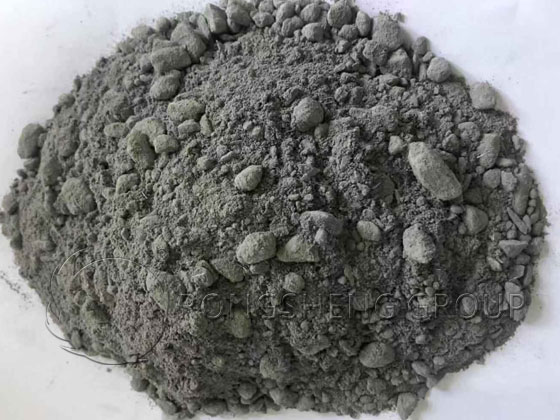
Wear-resistant refractory castables are primarily used for high-temperature wear resistance, particularly in linings requiring high flexural and compressive strength in high-temperature areas.
The performance of wear-resistant refractory castables depends on the proportions of raw materials added. Generally, high-hardness refractory aggregates and powders, along with high-strength binders, are added. For critical components operating under harsh conditions, fused alumina, fused zirconia alumina, sintered high-alumina bauxite, and silicon carbide are added to meet specific requirements. In many cases, the type of binder added depends on the application conditions. Wear-resistant refractory assemblies inevitably require a densely packed particle size distribution. For wear-resistant castables, the wear resistance at room temperature is generally required to be no more than 10 cm³.
For wear-resistant refractory castables used in circulating fluidized bed boilers in power plants, fused alumina is typically added, and sometimes a certain proportion of black silicon carbide is also added. The binder is pure calcium aluminate cement with silica powder.
For linings in alumina suspension calcining furnaces, silicon carbide cannot be added; sintered white corundum or fused alumina must be added in a specific proportion.
For refractory castables used in steel tapping troughs of heating furnaces, sub-white corundum and brown corundum are added. The powder used is fused alumina powder, and the micro-powder is zircon micro-powder.
For wear-resistant castables used in catalytic cracking units in oil refining, a certain proportion of fused alumina and sintered alumina or tabular alumina must be added to meet the application requirements.
For applications requiring temperatures above 1500℃, precast blocks are a viable option. Adding a certain amount of SiC to precast blocks, creating precast bricks for demanding applications, not only facilitates construction but also improves high-temperature wear resistance.
In short, the application of wear-resistant refractory castables depends on the actual temperature and furnace conditions during use. Whether to use precast bricks or castables also depends on the specific circumstances.
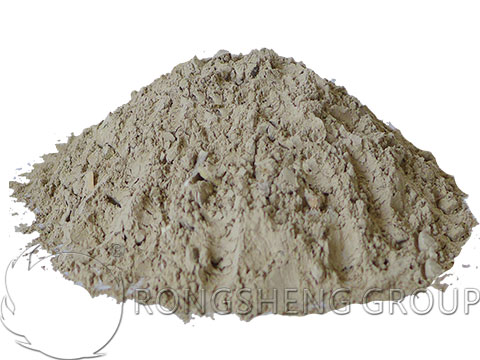
Several Details to Note During Mixing of Wear-Resistant Refractory Castables
Like other high-alumina castables, wear-resistant refractory castables undergo four steps during construction: mixing, pouring, curing, and baking. The initial mixing is crucial, affecting the successful implementation of the subsequent steps.
Use a Forced Mixer
When mixing wear-resistant refractory castables, a forced mixer must be used. The mixer must be thoroughly cleaned and free from mixing with other castables of different materials or impurities left over from other mixing processes. Generally, all tools used during mixing are cleaned to ensure cleanliness. No other debris or impurities should be present.
When starting mixing, always add the aggregates and powders first, then the binder. If the binder and main raw materials are packaged separately, first add the mixed granules and powder from the larger bag, then add the binder from the smaller bag.
The water added must be tap water
When mixing wear-resistant and refractory castables, the water added must be potable tap water with a pH value between 6 and 7. Never use spring water or rainwater. The amount of water added is crucial; strictly follow the manufacturer’s instructions. If the wear-resistant and refractory castable produces a slurry during mixing, add as little water as possible to ensure good construction results and prepare the foundation for curing and baking after construction.
Do not mix too much
Furthermore, the amount of wear-resistant and refractory castable mixed at one time should not be too large. The mixing volume should be determined based on the size of the mixer and the on-site construction progress, and should not exceed the mixing load; otherwise, the equipment will be forced to stop operating, delaying construction time.
Each batch must be used within 30 minutes
The amount of wear-resistant and refractory castable mixed at one time must be used within 30 minutes. If it has already solidified into lumps, never add water; otherwise, it will affect product quality and cause unnecessary losses.