The Role of Zirconium Silicate in Ceramic Glazes
Rongsheng Refractories explains “zirconium silicate“—a star additive in ceramic glazes—in the simplest, most straightforward terms. Think of it as a versatile “special-effects makeup artist” that transforms ordinary, lackluster ceramics into something truly radiant.
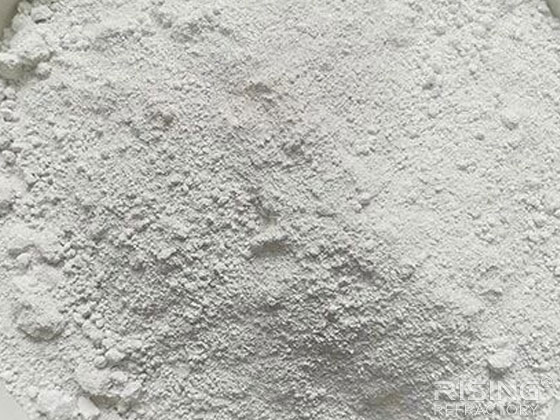
The Core Function of Zirconium Silicate
In ceramic glazes, the primary role of zirconium silicate is to provide whiteness and opacity (hiding power).
A Premier “Whitening Agent”
Glazes—especially transparent ones rich in silicon and calcium—can sometimes take on a greenish or yellowish tint after firing, lacking a clean, pure white appearance. When zirconium silicate is added, it remains stably dispersed within the glaze layer at high temperatures. It effectively masks the underlying color, resulting in a crisp, bright, and pure white finish. It is an essential component in creating high-quality white glazes, such as those described as “ivory white” or “milky white.”
A Powerful “Opacifier”
- ① This is its most significant function. “Opacification” refers to the process of transforming a transparent glaze into an opaque one—giving it a covering power similar to that of milk. Because the fine particles of zirconium silicate do not melt even at very high temperatures, they act like countless microscopic, irregular mirrors. They intensely scatter and reflect incoming light, preventing it from passing through the glaze layer. Consequently, the color or any imperfections of the ceramic body beneath remain hidden.
- ② This capability is invaluable: First, it allows for the concealment of an unattractive ceramic body (such as dark gray or black clay). Second, it enhances the richness and purity of glaze colors—particularly vibrant blues, reds, and yellows—ensuring they do not appear dull or grayish due to the underlying body color showing through. It is much like painting on a dark canvas: applying a white base coat first ensures that the colors appear vivid and bright.
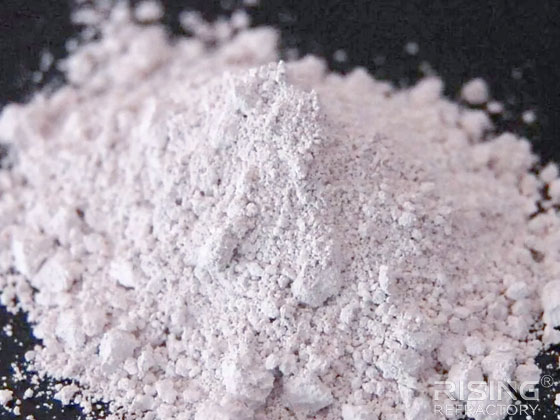
Key Applications of Zirconium Silicate: Where Is It Used?
Thanks to its dual capability of “whitening and opacifying” (hiding the underlying color), zirconium silicate has become the dominant material in modern white and colored ceramics:
Architectural Ceramics (Tiles)
- ① Glazed Tiles: The glaze on the smooth, bright white tiles often found on kitchen or bathroom walls likely contains zirconium silicate, ensuring a pure, uniform white color that remains fade-resistant for decades.
- ② Rustic (Antique-style) Tiles and Polished Glazed Tiles: To achieve realistic textures—such as those mimicking stone or wood—a stable, white, opaque layer is required beneath the surface glaze to act as a “canvas.” Zirconium silicate serves as the structural foundation for this canvas.
Tableware (Daily-use Ceramics)
- ① Bone China and Reinforced Porcelain: High-end tableware often aims for a “white as jade” aesthetic. Zirconium silicate imparts a soft, jade-like quality and a high degree of whiteness.
- ② Overglaze and In-glaze Decorated Tableware: To ensure that colorful surface patterns appear vivid and brilliant, the base glaze beneath them must be sufficiently white and opaque; a zirconium silicate-based base glaze is the perfect choice.
Sanitary Ware (Toilets, Washbasins)
Glazes containing zirconium silicate provide long-lasting whiteness—resisting yellowing over time—along with high surface hardness, ensuring that sanitary fixtures remain looking new for years.
Artistic Ceramics and Glazed Roof Tiles:
Artists require consistent color performance; opaque glazes formulated with zirconium silicate serve as a reliable medium for creating vibrant, solid-colored works. Similarly, the rich, saturated hues—such as deep blue or bright yellow—seen on traditional glazed roof tiles also rely on this material to achieve their full, vivid appearance.
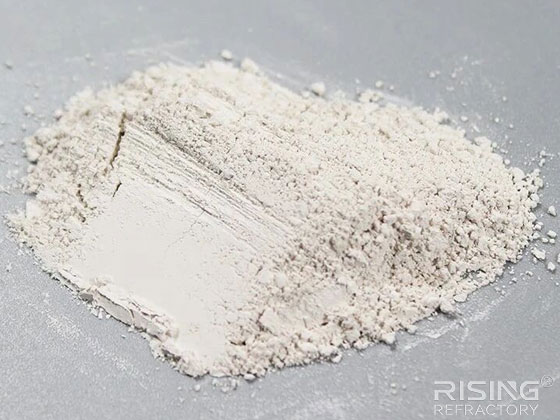
Additional Advantages of Zirconium Silicate
- ① Enhancing Glaze Hardness and Wear Resistance: As a material composed of high-hardness micro-particles, zirconium silicate becomes embedded within the glaze, making the ceramic surface more resistant to wear and scratching—a crucial quality for items like tabletops and floor tiles that see frequent use.
- ② Stabilizing Glaze Properties: Its chemical stability means it rarely reacts with other components. This helps minimize defects such as pinholes and bubbles, resulting in a smoother, more uniform glaze surface.
- ③ High-Temperature Resistance: Zirconium silicate remains highly stable at elevated temperatures. During the glaze-melting process, it largely retains its form as solid particles; it is precisely these particles that scatter light.
- ④ A Safer Alternative to Toxic Materials: In the past, tin oxide was used as an opacifier—highly effective, but prohibitively expensive. Lead oxide was also used, despite its toxicity. The introduction of zirconium silicate provided a superior solution: it is affordable, non-toxic, and highly effective.
- ⑤ The Importance of Proper Dosage: As with many things, too much can be counterproductive. An excessive amount of zirconium silicate can result in a “dead white” appearance—lacking a soft, lustrous quality—and may also increase the glaze’s viscosity, hindering its flow and leading to an uneven surface. A skilled formulator’s goal is to identify the precise, optimal amount to add.
In ceramic glazes, zirconium silicate serves two primary, practical functions: first, it “whitens” the ceramic and masks imperfections; second, it acts like a primer, providing a pristine canvas for vibrant colors. Thanks to this material, we can enjoy flawless white tiles, gleaming toilets, and tableware or artwork adorned with brilliant, striking colors. Though it may seem like an inconspicuous chemical raw material, zirconium silicate is the “unsung hero” behind the colorful, bright, and pristine world of modern ceramics.
Zirconium Silicate: A “White-Tech” Marvel in Ceramics
In the fascinating world of ceramic manufacturing, every raw material is like a unique star, radiating its own distinct light. Among them, zirconium silicate (ZrSiO₄) shines with exceptional brilliance.
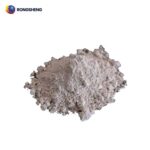
Appearing as a grayish-white substance, zirconium silicate possesses an air of both simplicity and mystery. Its chemical stability is truly remarkable; it remains inherently stable even within complex chemical reaction environments. This characteristic ensures that it remains unaffected by factors such as the firing atmosphere during the high-temperature kiln processes of ceramic production, thereby providing a solid guarantee for consistent product quality.
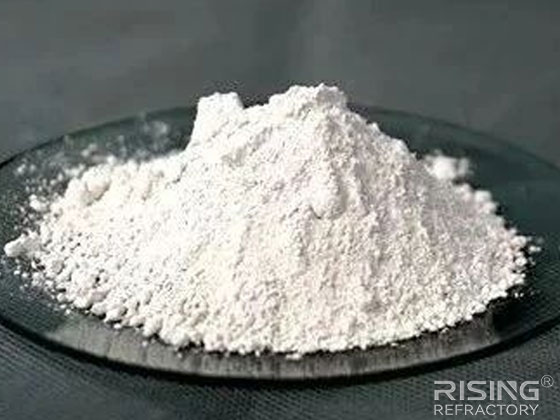
Zirconium silicate boasts a high refractive index, ranging from 1.93 to 2.01, and a Mohs hardness of 7.5, indicating a robust, hard texture. Theoretically, it is composed of 67.1% ZrO₂ and 32.9% SiO₂, with a molecular weight of 183.3071. Furthermore, it features an exceptionally high melting point of 2,500°C. These combined properties underpin its vast potential for application across various industrial sectors.
Applications of Zirconium Silicate in the Ceramics Industry
An Excellent Opacifier for Creating Unique Visual Effects
Zirconium silicate is a high-quality, cost-effective opacifier that plays an indispensable role in the production of various ceramic products, including architectural ceramics, sanitary ware, tableware, and decorative ceramics. It is widely used and consumed in significant quantities during the processing of ceramic glazes. When added to a glaze, it creates an opaque (milky) appearance, effectively masking the underlying color and any imperfections of the ceramic body. This results in a uniform, soft texture on the surface, greatly enhancing the aesthetic appeal of the finished ceramic products.
Strengthening Body-Glaze Adhesion for Improved Quality
In ceramic manufacturing, strong adhesion between the ceramic body and the glaze is a critical factor in ensuring product quality. Zirconium silicate plays a vital role here by significantly improving the bond between the body and the glaze, ensuring the glaze layer adheres more firmly to the surface. This not only enhances the overall structural strength of the ceramic piece but also reduces issues such as glaze peeling or flaking during use, thereby extending the product’s lifespan.
Increasing Glaze Hardness for Enhanced Durability
The hardness of a ceramic glaze is directly linked to its resistance to wear and scratching. The addition of zirconium silicate effectively increases the hardness of the glaze, making the ceramic surface less susceptible to scratches during daily use and helping it maintain a smooth, lustrous appearance over time. Whether for frequently used tableware or architectural ceramics subject to regular friction, zirconium silicate provides superior durability.
Achieving a Whitening Effect for a Pristine Aesthetic
Zirconium silicate possesses a remarkable whitening effect. During the ceramic firing process, it forms substances such as baddeleyite (zirconium dioxide). These particles scatter incident light—a phenomenon known as large-particle scattering or Mie scattering—which results in an opaque, whitening effect. By precisely controlling the particle size of high-performance zirconium silicate—for instance, maintaining a d50 value below 1.4 μm and a d90 value below 4.0 μm (as measured by a Japanese-made laser particle size analyzer)—it is possible to achieve an optimal opacifying and whitening effect. This imparts a pure, pristine white appearance to ceramics, satisfying the demand for high-quality ceramic aesthetics.