Technical Requirements for Silica Refractory Mortar for Coke Ovens
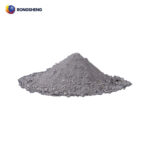
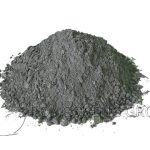
Silica refractory mortar is a bonding material used in the lining of silica brick furnaces. It is formulated from silica powder, high-silica clay, silica brick powder, clay, and binders and additives. Silica refractory mortar is widely used in high-temperature industrial kilns such as coke ovens, hot blast stoves, and glass kilns, serving as an essential and crucial foundation material for the construction and operation of these kilns with silica linings. With the technological advancements in these kilns towards larger scale and higher capacity, coupled with increasingly stringent environmental protection requirements, the performance requirements for silica refractory mortar are becoming increasingly stringent. Silica refractory mortar for coke ovens is the most widely used type of silica refractory mortar, and its performance control and testing technologies are of paramount importance to the development and technological advancement of silica refractory mortar products.
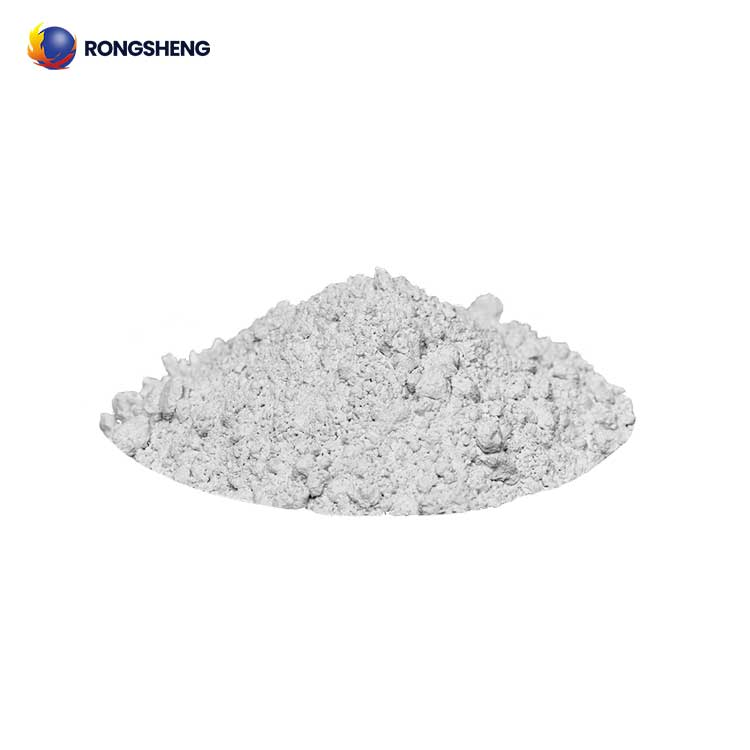
Characteristics of Silica Refractory Mortar
Developed countries have imposed strict requirements on the chemical composition, room-temperature flexural bond strength, particle size distribution, and workability of silicatic refractory mortar. With the absorption and introduction of advanced technologies and the development of larger coke ovens, some indicators of the silicatic refractory mortar standards have diverged from actual production and construction requirements. For example, the silicatic refractory mud used in the construction of the 7.63 m coke oven has the following four characteristics in its performance indicators, referencing the following silica refractory mortar standards:
- ① The chemical composition of the product is based on the post-ignition state.
- ② The particle size distribution of the mud is more detailed.
- ③ The structural strength is characterized by the room-temperature flexural strength of the mud itself.
- ④ The performance under high temperature and high load during service is characterized by the compressive creep value.
Based on the absorption of advanced standards, and combined with the research results of silica refractory mortar manufacturers, research institutes and technical testing departments on the load softening temperature, post-fired cold-state flexural bond strength index and testing methods specified in the previous standards, as well as industry characteristics, the silica refractory mortar standard “Silica Refractory Mortar” was revised to be more in line with actual production, construction and application.
Application of Silica Refractory Mortar in Coke Ovens
The production and application trends of silica refractory Mortar in coke ovens: Coke ovens are mainly divided into the top, combustion chamber and carbonization chamber, inclined zone, and regenerator, with operating temperatures ranging from 600 to 1400℃. Therefore, it is necessary to rationally use new low-grade silica refractory Mortar for coke ovens in the low-temperature range. Simultaneously, with the increasing size of coke ovens, the consumption of silica refractory Mortar for coke ovens is increasing, while the main raw material resources for producing high-grade products are becoming increasingly depleted. Therefore, it is even more necessary to rationally utilize low-grade raw materials or used refractory materials to produce silica refractory Mortar that meets the required needs.
Main Technical Requirements for Silica Refractory Mortar for Coke Ovens: Based on the usage characteristics of silica refractory slurry for coke ovens and combined with existing technical indicators, extensive data analysis was conducted. According to the actual situation of production enterprises, low-grade high-silica clay and used refractory materials were used, with raw materials containing SiO2 ≤ 91%. Furthermore, many companies have been producing silica refractory slurries with SiO2 ≥ 85% for many years. Therefore, this research determined that the SiO2 content in coke oven silica refractory slurries should not be less than 85%.
Based on the current production status and raw material usage, coke oven silica refractory slurries are used in the lower-temperature sections of the coke oven. Based on the specifications of silica refractory slurries with SiO2 ≥ 85% used by various customers in the market and experimental data, the technical specifications for coke oven silica refractory slurries were obtained.
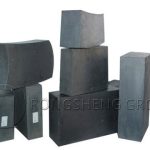
Current Status and Development Trends of Silica Refractory Materials
Siliceous refractories, with their excellent resistance to acid slag erosion, high-temperature volume stability, and load softening temperature, play an irreplaceable role in high-temperature industries such as steel, glass, and ceramics. With the transformation and upgrading of my country’s steel and glass industries, the requirements for the quality, performance, and environmental protection of siliceous refractories are constantly increasing, driving the industry towards high-end and green development.
Current Status of Silica Refractory Materials
Currently, siliceous refractories have made certain progress in production processes and product performance.
- In raw material processing, the use of high-purity silica raw materials and optimized crushing and grading processes have improved the purity and particle size distribution of raw materials.
- In molding processes, the application of isostatic pressing and high-pressure molding technologies has improved the density and strength of products.
- In firing processes, the promotion of high-temperature firing and rapid firing technologies has effectively improved product performance.
However, compared with advanced levels, the siliceous refractories industry still faces some problems. Some enterprises lack technological innovation capabilities, and product homogenization is severe. The production technology for high-end products is not yet fully mature, relying heavily on imports. Energy consumption and pollution issues during production remain prominent, and green production technologies urgently need to be promoted.
Development Trends of Siliceous Refractory Materials
With the development of high-temperature industries and increasing environmental protection requirements, siliceous refractory materials are showing the following development trends:
- (1) High Performance: Developing siliceous refractory materials with higher load softening temperatures, better thermal shock resistance, and erosion resistance to meet the increasingly stringent requirements of high-temperature industries.
- (2) Green Development: Researching and applying green production technologies to reduce energy consumption and pollutant emissions during production, and developing recyclable siliceous refractory material products.
- (3) Intelligentization: Utilizing intelligent manufacturing technology to achieve automated, information-based, and intelligent control of the production process, improving production efficiency and product quality stability.
- (4) Customization: Developing customized siliceous refractory material products according to the needs of different customers to meet personalized application scenarios.